For many producers of functional food and drink, protein was the gateway to a vast customer base. It brought nutrition into the mainstream and helped consumers rethink everyday food choices. Now, expectations are shifting, with people looking for more than just protein.
The protein boom and subsequent rise of protein-enriched products show that consumers are keen to embrace functional beverage products as part of their lifestyles. Food supplement and nutrition (FSN) products are no longer just for athletes, as consumers across generations instead become ‘everyday athletes’, seeking products associated with immunity, digestive health, healthy ageing and overall wellbeing. This is reflected in massive growth: food supplement and nutrition products reached a global volume of 18.5 billion litres in 2025, and the market shows little sign of slowing.
This creates a clear opportunity for forward-thinking producers to get ahead. But only those who move quickly will capture the next wave of demand in food supplements and nutrition (FSN).
The new wave of functional ingredients
Consumer priorities are becoming more complex, expanding the boundaries of the category. For example, as the movement for health and wellness continues to drive purchasing decisions, our research found that many consumers are focused on supporting their immune system and maintaining a healthy weight.
These evolving needs create stronger demand for products that can deliver the desired benefits seamlessly within everyday routines. Functional drinks can deliver nutrients and functional ingredients that align with different consumer wellness goals. Consumers seek convenient ways to get these benefits, in formats such as liquid ready-to-drink (RTD) products that fit into fast-paced modern lifestyles. Different ingredients come with different functional benefits, allowing consumers to seek the products that target the part of their health they want to prioritise. Protein remains the leading ingredient, thanks to its well-known benefits for building physical strength at different stages of life. But which ingredients meet changing consumer priorities?
In-demand ingredients in this category include fibre, omega-3 and biotics. Each of these signals something specific. Among consumers who are using or considering functional products, protein is followed by fibre, appealing to 35% of respondents. The widely-acknowledged digestive benefits of fibre mean this growing interest points to gut health as a growing consumer priority. There is headroom for producers to get into the fibre category: although more than a third of those surveyed are interested, just 13% have committed to regularly buying fibre products. These are consumers waiting to be captured by the right proposition.
Meanwhile, a third of consumers in our research seek omega-3 fatty acids, an ingredient widely recognised for its role in heart, brain and eye health. There is also increasing interest in biotics, a group that includes probiotics, prebiotics and postbiotics, which are increasingly associated with digestive health and are being explored for broader wellbeing benefits. Together with our partners and customers, our research and development teams are continuously exploring postbiotic blends tailored to different different consumer segments, wellness priorities and product concepts.
As well as understanding why consumers are interested in these benefits, it‘s important for producers to seek out insights into who is looking for these ingredients – and where you’ll find those consumers. In our research, which we share with our customers as they plan product launches, we see fascinating regional variations. For example, among people considering functional products, those in Brazil have the greatest interest in fibre at 49%. People in Germany are most interested in omega-3 fatty acids, while China leads for biotics at 46%. At the same time, we also see regional variations in preferred tastes and flavours. Customers in Asia often prefer a thicker, smoother and creamier mouthfeel, whereas European consumers generally prefer more natural, less processed textures. In America, sweeter and indulgent textures are more popular. Understanding these differences, and applying those insights strategically, is key to developing products that hit the sweet spot for every market.
The emotional shift in consumer motivation
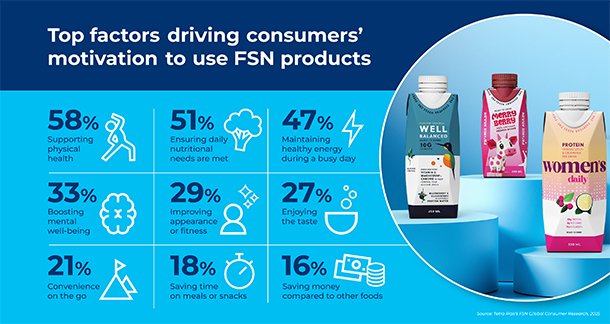
Taste is just one of the ways that consumers connect to a product and become repeat customers. Emotional factors range from peace of mind about healthy choices to managing stress or enjoying an instant mood boost. Younger adults tend to seek out products and flavours they enjoy, whereas older consumers are more motivated to purchase products addressing health-related concerns.
As people age, health considerations often become more important. Our research shows seniors particularly value peace of mind about health, and feeling in control of their wellbeing. Many look to regain a sense of control through functional products.
However, older consumers are typically more sceptical about the benefits these products claim. For brands, this highlights the importance of communicating with consumers. Trust is important when promising health benefits. For consumers to connect with a brand and its perceived benefits, packaging should present transparent, authentic and educational messaging.
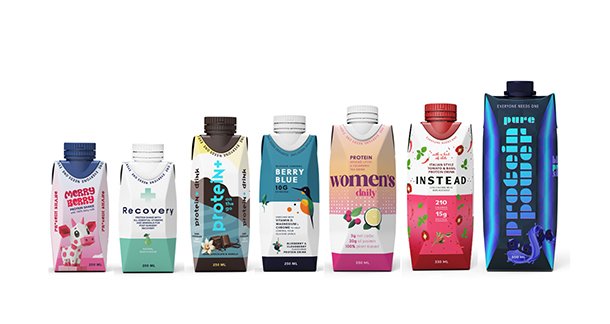
Producers can highlight ingredient transparency and, where applicable, claims such as no added sugar or absence of artificial additive. This is useful for producers looking to tap into wellness movements like the ‘clean label’ trend. Food and beverage carton packages are ideal for connecting with consumers because of their printable surfaces, which stand out on both shop shelves and virtual shelves in growing e-commerce channels.
As health-focused consumers become more interested in transforming their lifestyles, they increasingly choose formats such as ready-to-drink products that fit conveniently into their routines. Packaging format is a key consideration, as people consume products in different ways: they tend to consume lifestyle nutrition products at home, for example, in the morning. Those opting for sports nutrition want portable, on-the-go products they can consume out of the home, often at the gym. Convenience has become a decisive factor in purchasing decisions, particularly for people with increasingly active and fast-paced routines.
Protein used to be synonymous with powder, but not everyone wants to measure and mix a powder product. Whether in the gym, at home, or on their commute, many people want to just grab a product with taste and texture beyond what‘s available from powdered drinks.
The advantage of RTD is that every product is pre-dosed, so they’re easy to consume on the go, and require no preparation or clean-up. The more easily a product fits into everyday life, the greater its potential for repeat purchase and long-term brand loyalty.
The future of functional food
With the door opened by protein, food and beverage producers can now go so much further. From ingredients to flavour, there are countless ways to innovate and unlock new markets. By combining health-led ingredients, convenient formats and great taste, producers can better connect with consumer demand.
But as the food supplement and nutrition market grows, competition is intensifying. Partnering with a company with a strong heritage in product development can help reduce the risks of exploring new ingredients and new categories. With our decades of experience in product development, advanced processing technologies, and a deep understanding of consumer preferences, we see a growth opportunity for producers willing to make the most of elements such as fibre, novel flavours, and ready-to-drink formats.
To capitalise on new ingredients, producers need to rapidly develop, test and scale new products. This starts with small-scale formulation to refine accuracy and consistency, before scaling up to full production. By partnering in controlled testing environments – such as our Product Development Centres – new concepts can be trialled without the risk and capital investment of building a whole new line.
Winning products will combine scientifically supported benefits with convenient, consumer-friendly formats. An understanding of what consumers want and a willingness to innovate will be the foundation for success, along with precise formulation and differentiated products that reach different markets. With opportunity ready and waiting, protein is only the beginning.
The Author:
Anna Larsson is Category Leader at Tetra Pak
1) FSN Market sizing by Global Data 2025 ad-hoc research, 51 countries (fully researched & modelled markets).
2) Tetra Pak, Consumers & FSN Report, 2025. Tetra Pak’s FSN Global Consumer Research was conducted by Ipsos in July 2025, surveying 25,547 health-conscious consu-mers, from parents of children, to adults (16-65 years old) and seniors (65+), across 17 countries.
3) Tetra Pak, Consumers & FSN Report, 2025.
4) Tetra Pak, Consumers & FSN Report, 2025. 5)Tetra Pak, Consumers & FSN Report, 2025. 6)Tetra Pak, Consumers & FSN Report, 2025.
For more information: www.tetrapak.com