- Introduction
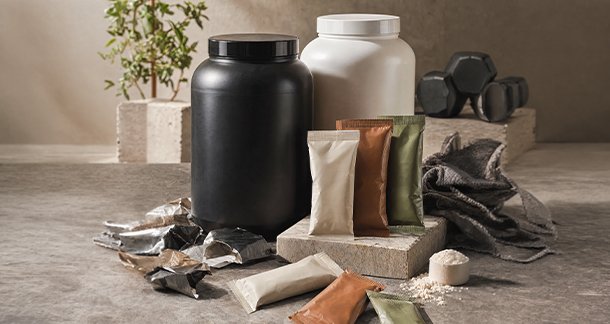
The Sports nutrition sector is witnessing unprecedented growth due to growing interest in fitness, athletic performance, muscle recovery, and a healthy lifestyle. There are sports nutrition products like protein powder, energy gels, electrolyte drinks, protein bars, and pre-workout products that are essential to a daily routine for consumers. But amidst all these performance-driven products stands an environmental issue: packaging waste. From heavy plastic protein containers to many layers of individual sachets, it is important that sports nutrition packaging ensures not only the quality of the product but also serves the convenience and portability requirements of the consumers.
- The Sachet Problem
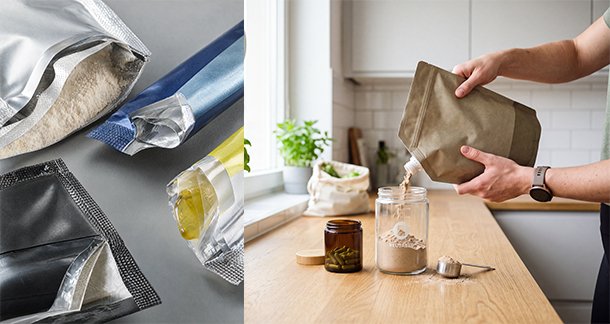
Single-serve sachetsmultilayer flexible packaging, with different polymerslike metallised and aluminium layers, provides effective barrier properties, product protection and extended shelf life. However, their complex composition has a significant challenge, as conventional recycling methods cannot effectively recycle multilayer films. Key recycling barriers are material complexity, inadequatematerial standardisation and processing cost. Therefore, developing recyclable structures are essential strategies for enhancing the environmental sustainability of single serve packaging.
- Product specific strategies
3.1 Protein powders
Rigid PP or HDPE tubs provide durability.Whereaslightweight refill pouches and single serve sachets offerpackaging weight and portability.Recyclable material structuresimprove moisture barrier performance.
3.2 Energy gels carbohydrate-based products
Single serve sachets are suitablefor convenient consumption during physical activity. Suitable alternatives like recyclable filmsprovide leak resistance, seal integrity and formulation.
3.3 Electrolyte and hydration powders
Sachets facilitate portability, whereas pouches accommodate repeated use. This packaging retains effective moisture content, prevents caking and preserves disintegration properties.
3.4 Protein bars and snacks
Lightweight flexible wrappersprotect against moisture, lipid oxidation and texture modification.Recyclable films and paper-based alternatives may reduce environmental impacts with adequate barrier properties.
- Sustainable Packaging Innovations
4.1 Recyclable Protein Tubs
Protein tubs are produced from hard plasticsbecause of their easy storage and longer shelf life. Compatible labels and caps design can also be used to design protein tube from recyclable materials.
4.2 Recyclable and Reduced material sachets
Single-serve sachets are becoming more popular among athletes and travellers, as they provide convenient proportions.However, their small size and multilayer construction makes recycling more difficult.Recent emerging packaging materials are designed using recyclable polyethylene or polypropylene based films structuredfor moisture retention and act as oxygen barriers.
4.3 Bio-based and compostable materials
Bio-based packaging materials are made from plant derived feedstocks, which are designed to breakdown under specified composting conditions.Their suitability for products must be through food contact compliance, assessment and performance testing.
4.4 Refill and reusable systems
Refill and reusable packaging systems offer an approach to reducing waste. Durable containers are designed for repeated use where supplements are refilled with supplements rather than buying rigid tubs.
4.5 Smart Packaging and Sustainable Labelling
Digital technologies support sustainability by improving product traceability and consumer awareness. Clean labelling and QR codes provide information about packaging materials, disposable instructions and to distinguish recyclable options.
- Life Cycle Assessment – a decision-making tool
LCA evaluates the environmental impacts of sports nutrition packagingbased on factors such as greenhouse emissions, energy consumption, transportation and end-to-end management.Itincludesproduct protection, shelf life, packaging related losses, recyclability and reuse. Integrating LCA with performance testing supports product quality and safety.
- Regulation
According to EU regulation, all packaging on the EU market should be recyclable by 2030 with grade performance of obligations from 2038. Minimum recycled plastic requirements for plastic packaging should be from January 2030.
- Future directions
The future of sustainable sports nutrition packaging depends on research, sports nutrition brands, packaging manufacturers and consumers. Digital labelling, consumer education, sustainability assessment.Digital labelling and consumer educationfurther promote transparency.
- Conclusion
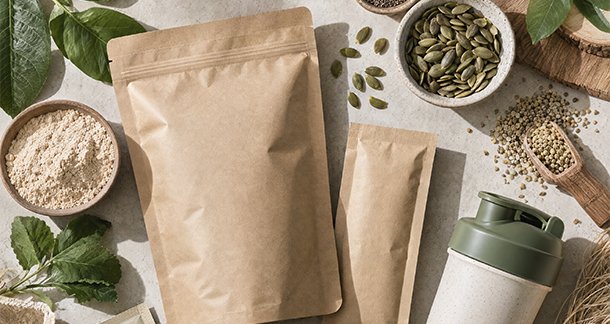
Sustainable packaging represents a significant opportunity for the sports and nutrition industry to reduce material waste while improving environmental performance.Protein tubs and refill systems to innovate single serve sachets, and multiple approaches support this technology. Successful solutions must be integrated withshelf-life requirements, recyclability and circular packaging strategies to achieve more sustainable packaging systems that meet health-conscious consumer needs.
Table 1: Comparison table of sustainable packaging formats- Sports nutrition format
| Packaging | Main advantages | Key challenges |
| Rigid plastic protein tubs | Durable, convenient | Material use and packaging size |
| Multilayer sachets | Compact and effective barrier protection | Material separation and recycling |
| Flexible refill pouches | Potential lower material than rigid containers | Recycling -depends on structure and infrastructure |
| Paper based packaging | Renewable | Limited moisture and oxygen resistance |
| Bio based packaging | Potentially reduces fossil-based feedstocks | Cost and performance |
| Reusable containers | Reduce packaging demand | Depends on frequency |
References:
- Bauer, A., Tacker, M., Uysal-Unalan, I., Cruz, R. M. S., Varzakas, T., & Krauter, V. (2021). Recyclability and Redesign Challenges in Multilayer Flexible Food Packaging—A Review. Foods, 10(11), 2702. https://doi.org/10.3390/foods10112702
- Tamizhdurai, P., Mangesh, V., Santhosh, S., Vedavalli, R., Kavitha, C., Bhutto, J. K., Alreshidi, M. A., Yadav, K. K., & Kumaran, R. (2024). A state-of-the-art review of multilayer packaging recycling: Challenges, alternatives, and outlook. Journal of Cleaner Production, 447, 141403. https://doi.org/10.1016/j.jclepro.2024.141403
- Nilsen‐Nygaard, J., Fernández, E. N., Radusin, T., Rotabakk, B. T., Sarfraz, J., Sharmin, N., Sivertsvik, M., Sone, I., & Pettersen, M. K. (2021). Current status of biobased and biodegradable food packaging materials: Impact on food quality and effect of innovative processing technologies. Comprehensive Reviews in Food Science and Food Safety, 20(2), 1333–1380. https://doi.org/10.1111/1541-4337.12715
Karthika.R1, Dr. Dakshayani.R2, Mulukuri Naveena 3and Dr.R. Jagan Mohan4
1 M. Tech Student, Department of Food Process Technology, National Institute of Food Technology, Entrepreneurship and Management, Thanjavur
2 Senior Research Fellow, Office of Dean Students Welfare, National Institute of Food Technology, Entrepreneurship and Management, Thanjavur
3 Junior Research Fellow, Department of Food Process Technology, National Institute of Food Technology, Entrepreneurship and Management, Thanjavur
4 Professor and Dean Students Welfare, Department of Food Process Technology, National Institute of Food Technology, Entrepreneurship and Management, Thanjavur