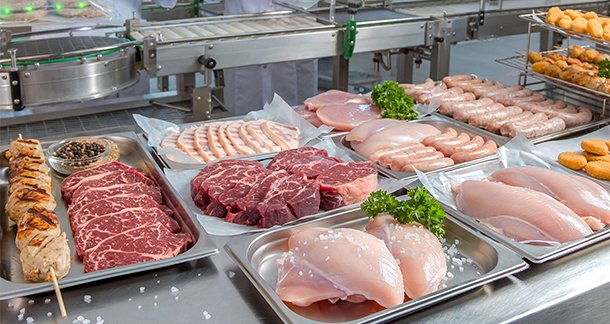
Meat and poultry have long been an important part of the human diet and continue to play a significant role in global nutrition, economy, and food culture. From traditional dishes to modern processed products, meat and poultry provide essential nutrients, culinary diversity, and employment opportunities for millions of people worldwide. In recent years, increasing awareness about food quality, safety, sustainability, and health has transformed the meat and poultry sector, encouraging innovation and scientific advancements in production and processing.
Understanding Meat and Poultry
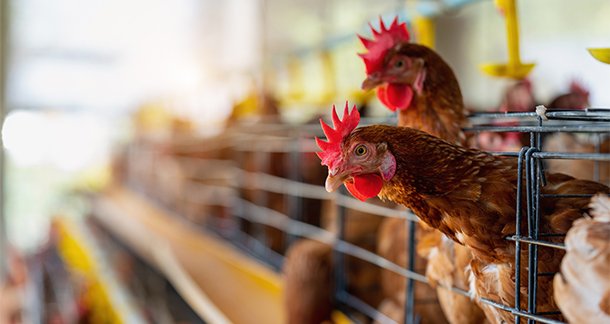
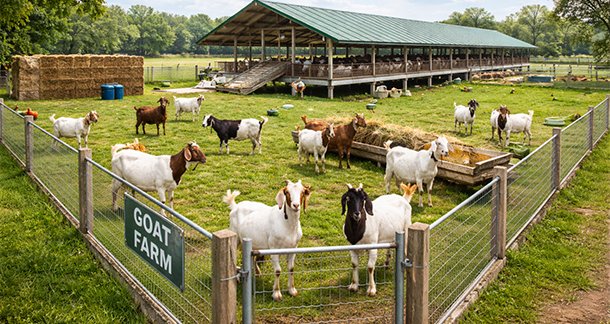
Meat refers to the edible flesh of animals such as cattle, goats, sheep, pigs, and fish, while poultry mainly includes domesticated birds like chicken, turkey, duck, and quail. Among all poultry products, chicken has become one of the most consumed meats globally due to its affordability, availability, and nutritional value. Poultry farming has expanded rapidly because it requires comparatively less space, lower investment, and shorter production cycles than large livestock farming.
Nutritional Importance
Nutritionally, meat and poultry are excellent sources of high-quality protein, essential amino acids, vitamins, and minerals. They are particularly rich in vitamin B12, iron, zinc, phosphorus, and selenium, which are necessary for muscle growth, brain development, immunity, and overall body functioning. Lean poultry meat, especially chicken breast, is often recommended for people seeking a healthy diet because of its lower fat content and high protein concentration. Meat also contains heme iron, which is more easily absorbed by the body compared to plant-based iron sources.
Economic Contribution of the Industry
The meat and poultry industry contributes significantly to the global economy. It provides livelihood opportunities through farming, transportation, processing, packaging, retailing, and export sectors. In countries like India, poultry farming has emerged as one of the fastest-growing agricultural industries. The increasing demand for ready-to-cook and ready-to-eat products such as sausages, nuggets, kebabs, patties, and smoked meat has further boosted market growth. Urbanization, changing lifestyles, and higher disposable incomes are also influencing consumer preferences toward convenient protein-rich foods.
Food Safety and Quality Concerns
Food safety and hygiene are extremely important in meat and poultry production. Since these products are highly perishable, improper handling can lead to microbial contamination and foodborne illnesses caused by pathogens such as Salmonella, E. coli, and Listeria. Therefore, maintaining cleanliness during slaughtering, processing, storage, and transportation is essential. Refrigeration, freezing, vacuum packaging, modified atmosphere packaging, and thermal processing are commonly used methods to preserve freshness and extend shelf life. Governments and food safety authorities worldwide have also established strict regulations and quality standards to ensure consumer safety.
Technological Advancements in Meat Processing
In recent years, scientific advancements have improved meat processing and preservation technologies. Modern techniques such as high-pressure processing, irradiation, freeze drying, and edible coatings are increasingly being explored to enhance product quality while reducing spoilage. Researchers are also focusing on natural preservatives derived from herbs, spices, and plant extracts to replace synthetic additives. Functional meat products enriched with omega-3 fatty acids, dietary fibre, antioxidants, and probiotics are gaining popularity among health-conscious consumers.
Health Perspectives
Despite its nutritional benefits, excessive consumption of red and processed meat has raised health concerns. Studies suggest that high intake of processed meat may increase the risk of obesity, cardiovascular diseases, hypertension, and certain cancers. As a result, nutrition experts recommend balanced consumption along with fruits, vegetables, whole grains, and physical activity. Consumers today are becoming more aware of portion control, fat reduction, and healthier cooking methods such as grilling, steaming, and baking instead of deep frying.
Sustainability and Future Challenges
Sustainability is another major challenge faced by the meat and poultry industry. Livestock production requires significant amounts of water, feed, land, and energy and contributes to greenhouse gas emissions. Ethical concerns regarding animal welfare and environmental impact have encouraged the development of alternative protein sources such as plant-based meat substitutes and cultured meat produced through cellular agriculture. However, traditional meat and poultry products still remain highly preferred because of their taste, texture, nutritional value, and cultural acceptance.
Consumer demand for organic and antibiotic-free poultry products is also increasing. People are now paying greater attention to how animals are raised, fed, and treated before reaching the market. Sustainable farming practices, improved animal welfare, and responsible use of antibiotics are becoming important aspects of modern meat production systems.
Conclusion
The future of the meat and poultry industry will largely depend on innovation, food safety, sustainability, and consumer awareness. Scientists, food technologists, and industry professionals are continuously working toward improving quality, extending shelf life, reducing environmental impact, and developing healthier products. With proper regulation and responsible consumption, meat and poultry can continue to remain an important component of a balanced diet and a thriving global food industry. Meat and poultry are not only major sources of nutrition but also pillars of economic growth and food culture. As consumer preferences evolve, the industry must adapt to meet demands for safer, healthier, and environmentally sustainable products. The integration of science, technology, and sustainable practices will shape the future of this dynamic and essential sector.
Author Detail:
Dr. Ruchi Verma and Jahnvi Dev
Department of Food Processing and Technology
School of Vocational Studies and Applied Sciences
Gautam Buddha University, Greater Noida, 201312
Corresponding Author: ruchiverma0715@gmail.com