
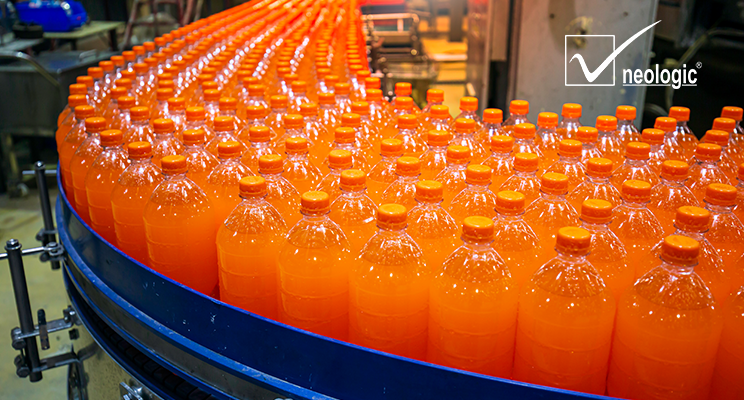
In today’s competitive beverage landscape, consistency is a quality attribute but also a brand promise. Consumers seek consistent taste, aroma, & mouthfeel with each sip they take of fruit-based drink, dairy drink, plant extract, or a nutritional beverage.
However, to achieve the same consistency for beverage processors, the key is to ensure that the flavors are stable while increasing production volumes with the beverage processing technology used. In addition, modern beverage manufacturing must balance consistency with sustainability, ensuring efficient use of water, energy, and raw materials while maintaining product integrity.
Science Behind Beverage Consistency
A beverage attains its consistency even before it has actually been processed. This is possible due to the formulations that are tested to make the prefect beverage. The ingredients that are used are subject to variations depending on the crop yield, climate, or supplier.
Therefore, to achieve consistency:
- Formulation control is critical to ensure consistency of ingredients.
- Also, homogenization or blending processes are critical to ensure that no separation occurs while maintaining consistency of viscosity.
- Optimizing the thermal treatment process to ensure that the beverage is not only safe but also free of any unwanted changes to the flavors.
- Sustainable ingredient sourcing and optimized formulations help reduce raw material wastage while maintaining consistent flavor profiles.
The modern plants are designed to ensure batch-to-batch and minute-to-minute consistency using automated control systems. Every process variable is continuously monitored to ensure that no changes are made that can affect the final product’s taste or texture.
Flavor Stability Throughout the Supply Chain
Flavors are extremely sensitive to changes. Even temperatures, oxygen levels, light, or packaging materials can affect the final product’s sensory properties. Therefore, beverage manufacturers ensure:
- Controlled Thermal Processing
Energy-efficient heat exchangers and heat recovery systems are increasingly being adopted to reduce energy consumption without compromising flavor stability. The process of pasteurization or UHT sterilization is an extremely critical step. The process needs to be so designed that it not only kills all bacteria but also does not compromise the final product’s flavor.
- Hygienic Design and Cleanability
Any residues left behind can affect the final product’s flavor or even introduce off-flavors. Hygienic design is an essential criterion for all equipment to ensure that no contamination is introduced into the final product.
- Management of Dissolved Oxygen Levels and Light
For sensitive products, the presence of even small amounts of dissolved oxygen is critical. The use of inline deaeration equipment or even packaging materials can help retain freshness.
- Ingredient and Water Quality Assurance
Water is a major ingredient in most beverages, and its flavor profile, microbiological quality, and stability are of prime importance. To ensure that the quality of water does not change, it is continuously treated and filtered.
Role of Automation in Flavor Uniformity
The beverage processing lines provided by beverage equipment manufacturers like Neologic Engineers include automation in each and every step, starting from raw material dosing to filling. This ensures that no errors occur during dosing, and with SCADA, complete traceability is ensured, and each and every parameter is perfectly in sync with the flavor profile of the product.
Predictive analytics help in detecting any deviations in flavor, thus helping in maintaining the quality of the beverages, and the flavor signature of the brand remains intact with every product, irrespective of the scale of production.
Innovations Shaping the Future of Beverage Quality
In recent times, with more and more people opting for functional beverages, plant-based beverages, and beverages with low sugar levels, achieving flavor consistency in beverages has become a challenge for manufacturers. To solve these challenges, many innovations are taking shape, and some of these are:
- High-pressure processing for cold beverages.
- Membrane filtration for soft product concentration without thermal effects.
- Continuous inline blending for batch consistency minimization.
- Advanced aseptic processing that maximizes shelf life without altering flavors.
The dynamic nature of beverage processing is constantly adapting to changes in global beverage market trends, where manufacturers are increasingly seeking flexible processing systems that can accommodate various product recipes without compromising hygiene standards.
Conclusion
With the changing consumer demands, beverage processing also continues to evolve. Beverage manufacturers are required to align their product with consistency, flavor, and sustainability keeping them as interconnected goals. By integrating advanced processing technologies in the beverage plants with resource-efficient practices, it is possible to deliver high-quality beverages while reducing the environmental footprint.

About the Author
Ankit Sharma
BU Head – Beverage Segment
A chemical engineer with profound interest in building scalable beverage solutions that blend engineering precision with commercial strategy. He has helped beverage manufacturers enhance efficiency & reduce costs with process optimization, automation, and quality improvement.

