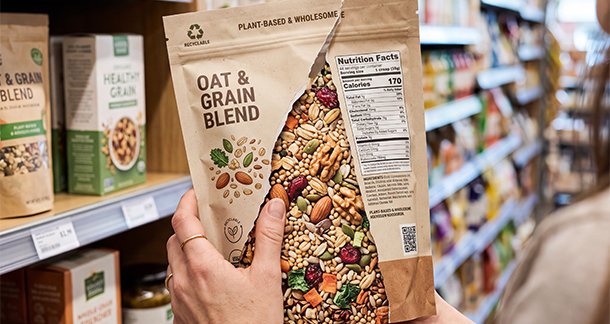
Walk through any supermarket today and watch how people shop. Very few consumers begin by comparing prices. Instead, they turn the package around, read the ingredient list, glance at the nutrition panel, and judge the product within seconds. That short interaction has transformed the food industry. As a dietitian, I often say that nutrition starts with ingredients, but from a business perspective, success starts with how those ingredients and the packaging communicate value.
The food industry is no longer driven solely by taste. Health awareness, digital influence, sustainability concerns, and stricter food regulations have changed consumer expectations. Today’s customer is informed, curious, and often skeptical. They want products that are nutritious, transparent, convenient, and environmentally responsible. This shift has made ingredients and packaging two of the most powerful business tools available to food manufacturers.
Ingredients: More than Just a Recipe
Traditionally, ingredients were selected primarily for flavor, texture, and shelf life. Today, they also determine a product’s market positioning. Whether a company wants to launch a premium snack, a diabetic-friendly beverage, or a children’s breakfast cereal, ingredient selection defines the brand’s identity.
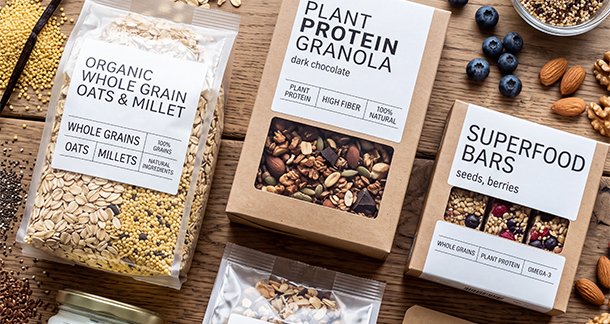
Consumers now recognize terms like whole grains, oats, millets, probiotics, prebiotics, plant protein, omega-3 fatty acids, and natural antioxidants. These are no longer scientific buzzwords—they have become selling points. A product containing recognizable and minimally processed ingredients often creates greater consumer confidence than one filled with unfamiliar chemical names.
However, from a business perspective, choosing healthier ingredients is rarely straightforward. High-quality ingredients generally increase production costs, require reliable sourcing, and may reduce shelf life. Manufacturers constantly balance nutritional quality with affordability and operational efficiency.
As a dietitian working with food businesses, I have observed that the most successful brands are not necessarily those using the most expensive ingredients. Rather, they are the ones that understand their target consumers and formulate products that meet both nutritional expectations and commercial realities.
Clean Labels: A Growing Competitive Advantage
One of the strongest trends in the food industry is the demand for “clean label” products. Consumers increasingly prefer ingredient lists that are shorter, simpler, and easier to understand. This trend does not imply that every processed ingredient is unhealthy. Instead, it reflects growing consumer interest in transparency. Food companies are therefore reformulating products by reducing artificial colors, preservatives, excessive sodium, added sugars, and unnecessary additives wherever possible.
For businesses, clean labels are more than a nutritional improvement—they represent a branding opportunity. Companies that communicate ingredient transparency effectively often enjoy stronger customer loyalty and greater trust. Trust, once established, becomes one of the most valuable assets any food brand can possess.
Packaging: The Silent Salesperson
If ingredients build product quality, packaging sells it.
Packaging performs far more functions than simply protecting food. It communicates brand identity, nutritional information, legal compliance, convenience, and product quality—all before the consumer takes the first bite.
From a retail perspective, packaging has only a few seconds to capture attention. Color combinations, typography, layout, and material quality all influence purchasing decisions.
As a dietitian, I appreciate packaging that presents nutritional facts honestly rather than using exaggerated health claims. Consumers are increasingly able to distinguish genuine health benefits from clever marketing language. Businesses that prioritize transparent communication often establish stronger long-term relationships with customers than those relying on misleading promotional claims.
Packaging and Consumer Psychology
Consumer behavior research consistently shows that purchasing decisions are influenced by visual presentation. Minimalistic packaging often creates an impression of premium quality. Earth-toned colors suggest natural or organic ingredients. Bright colors attract younger audiences. Portion-controlled packaging appeals to health-conscious consumers. None of these elements directly changes the nutritional value of the food, yet they significantly influence buying behavior. This illustrates why packaging should never be viewed merely as a production expense. It is an investment in consumer perception.
Sustainability Is Becoming a Business Necessity
Environmental sustainability has moved beyond corporate social responsibility—it has become a competitive requirement. Consumers increasingly evaluate brands based on recyclable materials, biodegradable packaging, reduced plastic usage, and responsible sourcing practices.
Many companies are redesigning packaging to reduce material consumption while maintaining food safety. Lightweight packaging also lowers transportation costs, creating financial and environmental benefits simultaneously.
Although sustainable packaging may initially require greater investment, it often strengthens brand reputation and appeals to environmentally conscious consumers who are willing to support responsible businesses.
The Regulatory Perspective
Food packaging is also governed by strict regulatory requirements. Nutritional declarations, allergen information, ingredient lists, manufacturing details, expiry dates, storage instructions, and food safety certifications all contribute to consumer confidence. Accurate labeling is not only a legal obligation but also an ethical responsibility.
As healthcare professionals, dietitians rely on these labels when guiding patients with allergies, diabetes, hypertension, kidney disease, and other medical conditions. Clear and truthful packaging therefore serves both public health and business integrity.
Innovation Creates Market Leadership
Innovation within ingredients and packaging has become one of the strongest drivers of growth in the food industry. Manufacturers are exploring plant-based proteins, sugar alternatives, functional fibres, fermented ingredients, and bioactive compounds to meet changing consumer demands. Similarly, intelligent packaging technologies such as freshness indicators, QR codes providing traceability, and smart labels that offer nutritional education are beginning to reshape consumer engagement. These innovations create differentiation in highly competitive markets where product categories are increasingly crowded. Companies that invest strategically in research and development are more likely to maintain long-term relevance.
Where Dietitians Add Business Value
The role of a dietitian is expanding beyond hospitals and clinics. Today, dietitians contribute to product development, ingredient evaluation, nutrition communication, regulatory compliance, health claim validation, consumer education, and brand credibility. By participating early in product development, dietitians help companies create foods that are both nutritionally meaningful and commercially successful. This interdisciplinary collaboration benefits businesses, healthcare professionals, and ultimately consumers.
Final Thoughts
In today’s food industry, ingredients and packaging are no longer independent components of product development—they are strategic business decisions.
A carefully selected ingredient list builds nutritional credibility, while thoughtful packaging transforms that credibility into consumer trust. Together, they influence purchasing behavior, strengthen brand loyalty, support regulatory compliance, and create long-term business growth.
As dietitians, we often focus on what is inside the package. Yet understanding the business behind ingredients and packaging allows us to contribute more effectively to the future of food innovation.
Ultimately, the brands that will lead tomorrow’s marketplace are unlikely to be those offering the cheapest products. Instead, they will be those that combine nutritional science, transparent communication, sustainable practices, and consumer trust into a single, well-designed package.