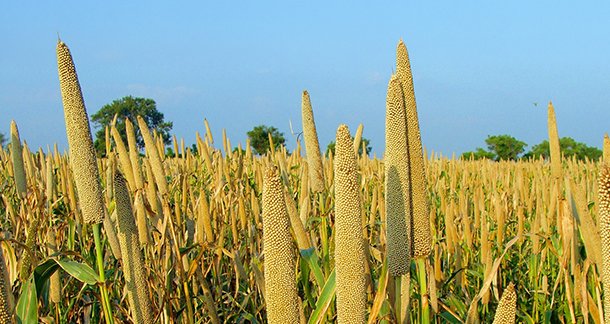
These are exciting times for the global bakery market, which stands at the cusp of unprecedented transformation. Long considered diet-breaking cheat treats or occasional indulgences, baked goods are now entering a new era of growth, propelled by wider consumption trends such as mindful eating and growing nutritional awareness. As per the Taste Tomorrow research programme, which is built on insights from over 23,000 consumers in 56 countries, consumers are demanding more from their baked foods. As many as 67 per cent of consumers admitted that they actively select foods based on the health benefits offered, and the idea that a dessert or pastry can satisfy cravings while supporting wellness goals is increasingly becoming the norm.
A growing appetite for millets
Health gains and climate consciousness come together to pack a powerful punch for millet consumption. A 2026 market research report finds that millets contain 3 to 5 times more dietary fibre than refined grains, 20–30 per cent higher protein bioavailability, and nearly twice as many micronutrients such as iron, calcium and B-complex vitamins. Accordingly, nearly 64 per cent of health-conscious urban consumers in APAC and 52 per cent in Europe now prefer millet-based foods for weight management, digestive wellness and sustained energy. Additionally, 1 in 4 food shoppers worldwide actively seeks gluten-free alternatives, while the demand for high-fibre and natural foods has increased by 32 per cent in the last three years. Millets help lower cholesterol and stabilise blood sugar due to their low GI score (below 54). The rapidly growing global diabetic population (reaching 537 million in 2023 and projected to exceed 643 million by 2030) has contributed to a 28 per cent rise in demand for low-GI, high-fibre millet-based foods. Over 72 per cent of nutritionists in India and Africa now recommend millet-based foods for improved metabolic health. At the same time, millets require 70 per cent less water than rice and 40-50 per cent less water than wheat, and also emit significantly lower greenhouse gases, making them among the world’s most sustainable grain crops. During the International Year of Millets 2023, over 85 countries promoted millet adoption, leading to a 22 per cent surge in global millet-based food product launches.
Baking the future
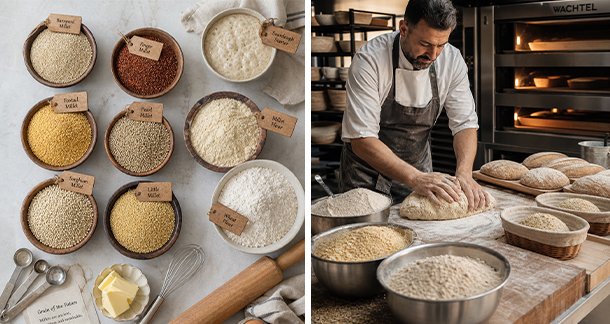
Data from November 2025 indicates that the use of millet flour in bakery applications surged by 33 per cent between 2021 and 2024. Currently, the market for millet-based bakery products is growing at a 14 per cent annual rate in urban centres, with over 32 per cent of global gluten-free launches relying heavily on the gluten-free nature of millets. The adoption of millet, however, calls for innovative recipe creation since millets are naturally gluten-free, have varying starch structures, and differ significantly in flavour, colour, water absorption and protein content as compared to wheat. Successful adoption, therefore, involves matching the right millet to the right application. In artisanal breads, sorghum (jowar), foxtail millet and barnyard millets offer better gas retention, a lighter crumb, less bitterness and better fermentation performance. They can either be used in combination with wheat flour or completely replace it for a gluten-free artisanal bake. Sourdough breads often use millets such as finger and pearl millet and sorghum for complex fermentation flavours, a higher mineral content and enhanced sourness development. Extended fermentation to soften bran particles results in a loaf with a nuttier flavour, darker crust and richer aroma.
Beyond bread
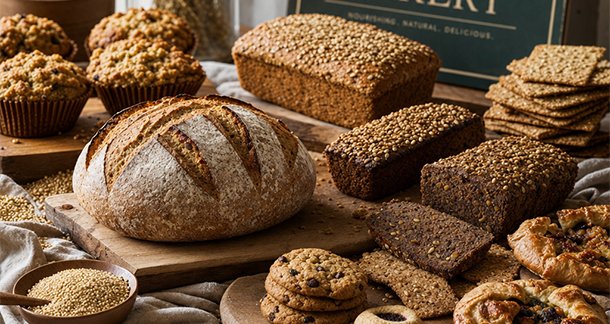
Where millets truly come into their own in the bakery world are cookies and savoury crackers. These baked goods do not rely on gluten development and focus more on mouth-feel and flavour. While little millet and foxtail millet offer a crisp texture, buttery mouthfeel and distinctive flavour profile, ragi in particular is hailed for its chocolate-like notes, attractive darker colour and robust nutritional profile. Bajra, kodo millet and ragi are increasingly being used in gourmet bakeries for savoury baking, owing to their excellent crispness and flavour. In addition to nutritional gains, millets also contribute much-needed flavour diversity in a segment that has traditionally relied on wheat, rye and spelt. Millets introduce newer flavours that range from toasted nut, malt, caramel, cocoa-like and earthy mineral notes, allowing bakers to create distinctive regional identities. Further, the use of millets allows bakers a viable alternative when moving away from imported wheat varieties and toward local grain ecosystems, and opens up premium-pricing opportunities with strong storytelling linked to sustainability, nutrition and culinary heritage – millets are among the oldest cultivated grains in human history, with evidence of domestication dating back roughly 7,000–10,000 years, depending on the species.
Whether for their health or flavour profile, sustainable cultivation or ancient origins, millets offer contemporary bakers benefits that go far beyond seasonal trends. For many artisanal and commercial bakeries, they create opportunities for higher margins, product differentiation, risk diversification and access to new consumer segments, including functional and wellness foods, due to their proven gut health benefits and status as whole and nutritious foods. The inclusion of millets transforms baked goods from commodities into speciality products. Instead of competing only on cost, bakeries can now compete on this bouquet of advantages that often support stronger customer loyalty and higher margins.