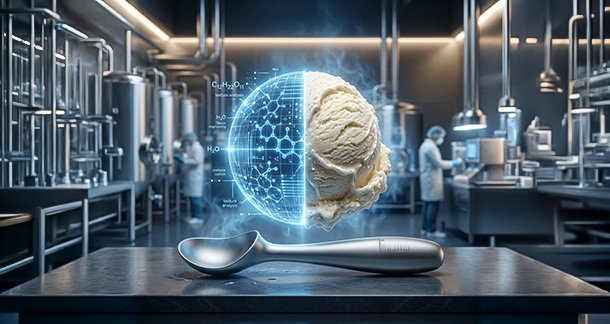
Ice cream has long been associated with indulgence, nostalgia, and comfort. Yet, behind every smooth scoop lies a fascinating blend of science, engineering, and innovation. Today, the ice cream industry is undergoing a true “cold revolution,” driven by advancements in processing technologies, ingredient science, sustainability practices, and consumer-driven product innovation. Modern ice cream is no longer just about sweetness and creaminess; it is about precision, functionality, efficiency, and smart manufacturing.
Precision in Formulation and Ingredient Science
One of the most significant advancements in ice cream technology lies in formulation science. Traditionally, ice cream was made from milk, cream, sugar, and stabilizers. Today, ingredient technology has evolved to meet changing consumer demands for low-fat, low-sugar, high-protein, vegan, and functional products. Advanced stabilizer systems, hydrocolloids, and emulsifiers are now designed to optimize texture while reducing fat content. Proteins such as whey protein isolates and plant-based proteins are incorporated to improve nutritional value without compromising mouthfeel. Sugar replacers and alternative sweeteners allow for calorie reduction while maintaining sweetness and freezing point control. Fat structure engineering has also improved significantly. Through controlled homogenization and emulsification, manufacturers can create smaller fat globules that enhance creaminess and stability. This ensures smoother texture and better meltdown resistance, even in reduced-fat formulations.
Smart Freezing and Microstructure Control
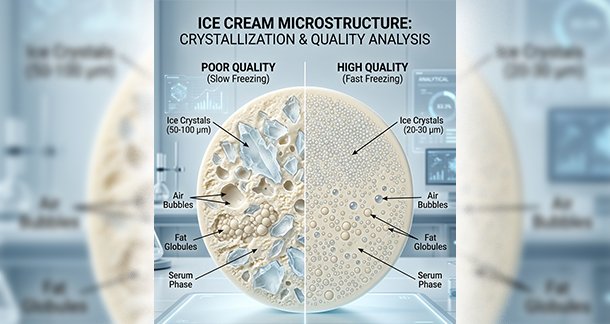
Freezing is the heart of ice cream manufacturing, and modern freezing technologies have transformed product quality. The goal of freezing is to create small, uniform ice crystals. Large ice crystals produce a coarse texture, while smaller crystals result in a smooth and creamy mouthfeel. Continuous freezers equipped with advanced temperature sensors and automated controls allow precise management of air incorporation (overrun), freezing rate, and product consistency. Rapid freezing techniques minimize crystal growth and improve structural stability. Microstructural analysis tools, such as microscopy and rheological testing, help manufacturers understand ice crystal size distribution, air cell structure, and fat destabilization. By controlling these microstructural parameters, producers can fine-tune texture, scoopability, and sensory experience.
High-Pressure and Non-Thermal Processing
Emerging non-thermal technologies are shaping the future of ice cream production. High-pressure processing (HPP) and pulsed electric field (PEF) treatments are being explored to improve microbial safety while preserving sensory and nutritional quality. These methods reduce reliance on excessive heat, which can affect flavour and protein structure. Such innovations enhance product shelf life without altering the delicate balance of taste and texture. As food safety standards become stricter, these technologies provide an effective alternative to traditional pasteurization systems.
Clean Label and Functional Ice Cream
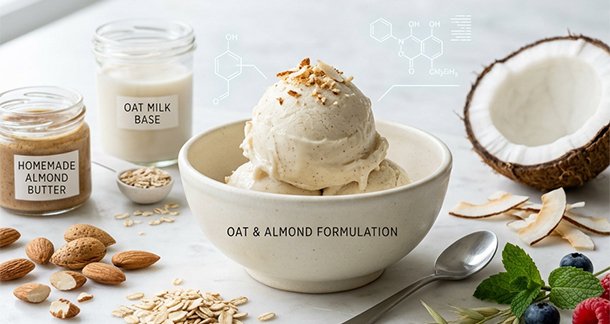
Consumers today seek transparency and health benefits in their desserts. The clean-label movement has encouraged manufacturers to replace synthetic additives with natural alternatives. Natural stabilizers derived from guar gum, locust bean gum, and pectin are increasingly used in formulations. Functional ice cream enriched with probiotics, prebiotics, dietary fiber, vitamins, and bioactive compounds is gaining popularity. Advances in encapsulation technology protect sensitive ingredients like probiotics from freezing stress, ensuring their viability throughout storage. Plant-based ice cream has also seen rapid growth. Innovations in plant protein processing and fat structuring allow almond, coconut, oat, and soy-based formulations to mimic the creaminess of traditional dairy ice cream. This diversification reflects the industry’s adaptability to dietary trends and sustainability concerns.
Sustainable Processing and Energy Efficiency
The cold revolution is not limited to product quality and it also addresses environmental impact. Ice cream production is energy-intensive, particularly due to refrigeration requirements. Modern plants are adopting energy-efficient compressors, heat recovery systems, and optimized refrigeration cycles to reduce energy consumption. Water usage is being minimized through improved cleaning-in-place (CIP) systems. Sustainable packaging solutions, including biodegradable containers and recyclable materials, are also gaining importance. Manufacturers are increasingly aligning with environmental goals while maintaining product integrity.
Digitalization and Automation
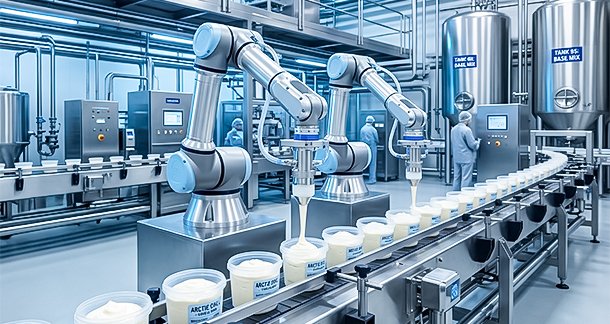
Industry 4.0 technologies are reshaping ice cream manufacturing. Automated production lines equipped with real-time monitoring systems ensure consistency and reduce human error. Sensors track parameters such as temperature, viscosity, and microbial load, allowing immediate adjustments. Artificial intelligence and data analytics are used to optimize recipes, predict equipment maintenance needs, and reduce waste. Smart factories enhance traceability, ensuring compliance with food safety regulations and improving supply chain transparency. Robotics in packaging and filling systems increase efficiency while maintaining hygiene standards. These advancements collectively improve productivity, reduce operational costs, and maintain high-quality standards.
Sensory Innovation and Customization
Modern ice cream technology also supports creativity and personalization. Advanced flavour encapsulation techniques allow controlled release of aromas, enhancing sensory impact. Swirl injectors and precision inclusion feeders ensure even distribution of nuts, chocolate chips, and fruit pieces. Some companies are exploring 3D printing for frozen desserts, enabling unique shapes and customized designs. Personalization is becoming a key trend, with consumers seeking unique flavour combinations and artisanal-style products produced at industrial scale.
The Road Ahead
The future of ice cream lies at the intersection of science, sustainability, and sensory pleasure. As consumer expectations evolve, technology continues to bridge the gap between indulgence and health, tradition and innovation. The cold revolution represents more than just improved machinery it symbolizes a transformation in how frozen desserts are conceptualized, produced, and experienced. Through advances in ingredient science, freezing technology, non-thermal processing, digitalization, and sustainability, the industry is redefining what ice cream can be. What was once a simple frozen treat has become a sophisticated product shaped by precise engineering and cutting-edge research? As the scoop melts gently on the tongue, it carries with it the results of decades of scientific progress proof that even the sweetest pleasures are powered by serious technology.
Ruchi Verma1 and 2Suresh Chandra
1Assistant Professor and 2Professor
1Department of Food Processing and Technology
Gautam Buddha University, Greater Noida
2Processing and Food Engineering
Sardar Vallabhbhai Patel University of Agriculture and Technology, Meerut
Corresponding author address: ruchiverma0715@gmail.com