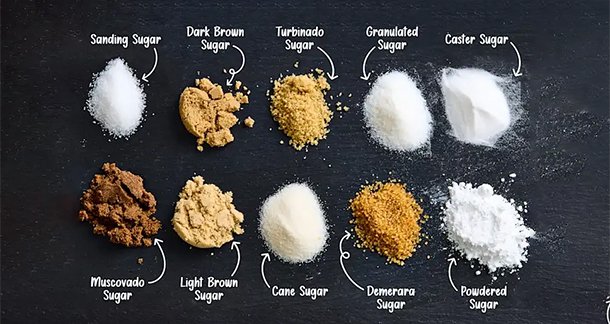
Sugar is an essential ingredient in bakery products as it provides sweetness, improves texture, contributes to browning, and enhances shelf life. However, increasing health concerns such as diabetes and obesity have led to a demand for low-sugar and sugar-free bakery products. To meet this demand, sugar replacers are used in bakery formulations. These replacers help reduce calorie content but also influence processing behaviour and product quality.
- Role of Sugar in Bakery Processing
In bakery products, sugar performs multiple functions. It enhances flavour and sweetness, aids in moisture retention, and improves crumb softness. Sugar also contributes to browning through Maillard reaction and caramelization during baking. In yeast-leavened products, sugar acts as a fermentable substrate, supporting carbon dioxide production and volume development. Due to these multiple roles, replacing sugar is technically challenging.
- Types of Sugar Replacers Used in Bakery Products
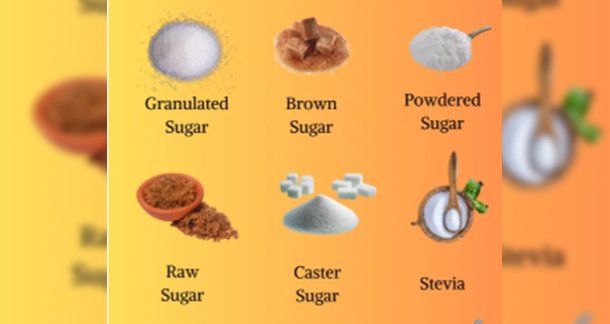
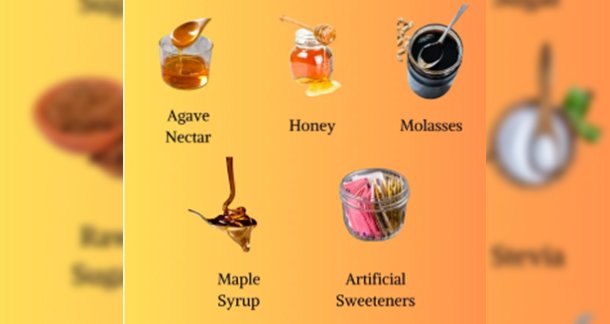
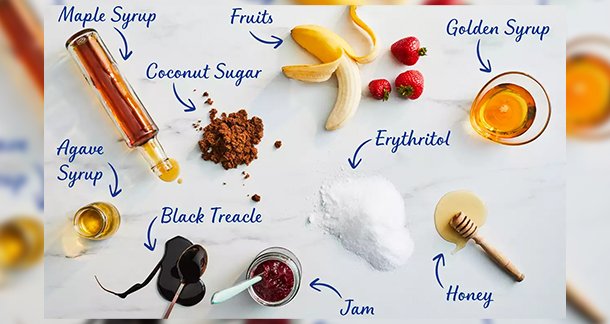
Sugar replacers are broadly classified into artificial sweeteners, sugar alcohols, and natural sweeteners. Artificial sweeteners such as aspartame and sucralose provide high sweetness but no bulk. Sugar alcohols like sorbitol and xylitol offer bulk and moisture retention with reduced calories. Natural sweeteners such as stevia and honey are preferred for clean-label products but may affect flavor and texture.
- Effect on Dough Properties
Sugar replacers significantly affect dough rheology and handling. Artificial sweeteners lack bulk, resulting in weaker dough structure. Sugar alcohols improve dough softness due to their humectant properties. Natural sweeteners may increase stickiness and alter water absorption, requiring formulation adjustments during mixing.
- Effect on Fermentation
In yeast-based bakery products, sugar supports yeast activity. Artificial sweeteners are non-fermentable and reduce gas production, leading to lower volume. Partial sugar replacement is often used to maintain fermentation efficiency while reducing total sugar content.
- Effect on Baking and Browning
Sugar contributes to color development during baking. Artificial sweeteners and polyols show limited browning, producing pale products. Natural sweeteners like honey support better browning due to their reducing sugar content.
- Effect on Texture and Shelf Life
Sugar delays starch gelatinization and improves tenderness. Its replacement may result in harder products. Sugar alcohols help retain moisture and slow staling, improving shelf life. Artificial sweeteners alone may cause faster drying and reduced freshness.
- Challenges in Using Sugar Replacers
Major challenges include difficulty in replicating sugar’s multifunctional role, changes in taste and texture, higher ingredient costs, and possible aftertaste. Regulatory limits also restrict the use of some artificial sweeteners.
- Conclusion
Sugar replacers are valuable ingredients in developing healthier bakery products. However, they significantly affect processing parameters and product quality. Careful selection and combination of sugar replacers, along with process optimization, are essential for producing acceptable low-sugar bakery products.
Dr. Ruchi Verma
Assistant Professor
Department of Food Processing and Technology
Gautam Buddha University, Greater Noida-201312
Corresponding mail Id: ruchiverma0715@gmail.com