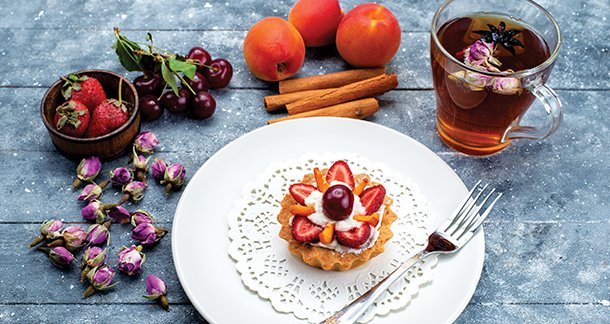
India’s culinary field contains a vibrant tapestry of flavours and traditions. It has been evolving for centuries, and traditional Indian flavours are not only limited to Indian sweets but versatile enough to enhance various global desserts. Cardamom, saffron, ghee, and jaggery are some of the major enhancers that are deeply rooted in cultural practices, often associated with festivals and celebrations. As the world becomes increasingly interconnected, these rich Indian flavours are increasingly penetrating their presence in international desserts. This fusion makes you experience a unique taste while allowing for a creative exploration of culinary boundaries. About 79% of Indian consumers express interest in novel flavours, which shows how strong their appetite is while having innovative sweets. Chefs are fulfilling this demand by making innovative dishes with a mix of traditional Indian ingredients with classic Western desserts. So, one should understand the key trends in flavour integration and how the Indian sweet flavour market is expanding worldwide.
Key Trends in Flavor Integration
Indian flavours into Western desserts is a noticeable evolution in the culinary field. Here are some key trends driving this integration:
Fusion Desserts: This is all about blending traditional Indian ingredients with western desserts. Cardamom Panna Cotta is a classic Italian dessert, for example. Combining it with aromatic cardamom gives an exotic twist. Similarly, Gulab Jamun Doughnuts are a traditional Indian sweet reimagined as gourmet doughnuts. Additional topping with syrup and nuts makes it unique.
Innovative Pairings: Experimenting with Indian sweets by preparing them in western styles is getting popular. Rasmalai Cheesecake is one of such examples. This is made by combining the cheesecake’s creamy texture with Rasmalai’s flavour. Mithai-inspired chocolates are another innovation in this field, and brands like Haldiram’s are creating chocolates containing traditional Mithai flavours like pistachio and rose.
Market Demand: The interest in diverse culinary experiences is increasing, and so is the demand for these innovative desserts. That’s how the global dessert market is growing at a CAGR of 5.11% and can reach USD 203.89 billion by 2030. Also, Mintel reports that 70% of Indian consumers desire more adventurous flavours in sweet bakery products. This overall shows how big of an opportunity it is for further innovation.
This trend is improving the dessert while worldwide consumers are able to witness the variety of rich flavours India has to offer. This contributes to a greater acceptance and appreciation of these unique culinary traditions.
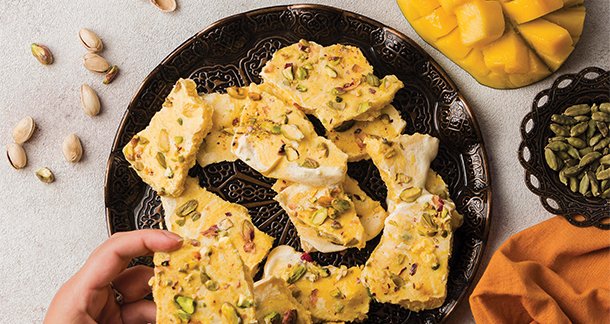
Expansion of the Indian Sweet Flavor Market
The Indian sweet flavour market is witnessing a good growth rate due to expanding beyond traditional boundaries. This is why adaptation is important, which has led its market value to approximately USD 6 billion, with packaged sweets accounting for around USD 4.2 billion. Let’s take a look at some factors that are responsible for driving this huge growth:
- Cultural Migration:Many Indians are settling, and so is the demand for authentic Indian sweets in Western markets. Brands are also capitalising on this trend as they are introducing an overall mixed package containing a blend of traditional flavours with modern dessert formats.
- Health Consciousness:It’s not a hidden secret how fast the health consciousness has become the discussion between masses. So, many consumers are demanding their sweets to be made with natural ingredients like jaggery and nuts. So, manufacturers are also busy innovating healthier options without compromising on taste.
- Innovation and Adaptation:Brands like Bikano and Haldiram are successfully blending traditional mithai with global dessert trends. For instance, they have transformed gulab jamun into waffles or jalebi into pancakes. That’s how a broader audience is able to experience the rich Indian flavours.
This expansion indicates a growing appreciation for Indian flavours and also an opportunity for further innovation within the sweets market.
Cultural Exchange and Collaboration
The fusion of Indian flavours into international desserts is a major example of rich cultural exchange. This trend has improved the culinary traditions of both sides. Chefs experimenting with fusion recipes also celebrate diversity while respecting origins. Meanwhile, fusion restaurants highlight traditional Indian sweets, which offer unique dining experiences and promote dialogue between traditions.
More than that, food festivals showcasing fusion cuisine open the door for creativity. This competition and tasting engage all the communities. The more chefs embrace fusion cooking, the more the trend promises exciting innovations and bridging cultural gaps.
Conclusion
Witnessing international desserts containing Indian flavour enhancers is really an exciting chapter. This reflects how everyone is appreciating diverse tastes and traditions simultaneously. Meanwhile, chefs are also continuing experiments and trying various blends, which is boosting and sustaining this trend for a long time. It has undoubtedly created consumer demand while also promoting cultural exchange through collaborative efforts in cuisine. Overall, this is contributing to both the sweets market and global gastronomic experiences. That’s how deeper connections are built between cultures through shared indulgence in delightful desserts.