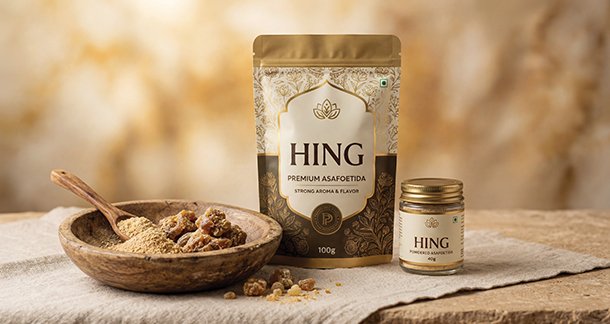
Hing, also known as asafoetida, is one of the most powerful and aromatic spices used in Indian kitchens. Derived from the resin of the Ferula plant, hing has travelled through centuries, deserts, and cultures to become an essential ingredient in Indian cuisine, Ayurveda, and the spice industry. Although widely consumed in India, hing primarily originates from countries such as Afghanistan and Iran, where the plant naturally grows in cold and arid climates.
The cultivation of hing is a slow and delicate process. The Ferula plant takes nearly four to five years to mature before resin extraction can begin. Farmers cultivate the crop in dry, high-altitude regions with well-drained soil and low humidity. Once mature, the roots are carefully tapped to collect the gum resin, which is then dried and processed into solid, powder, or compounded hing. Recent agricultural initiatives in India, especially in Himachal Pradesh and Kashmir, aim to promote domestic cultivation to reduce dependence on imports.
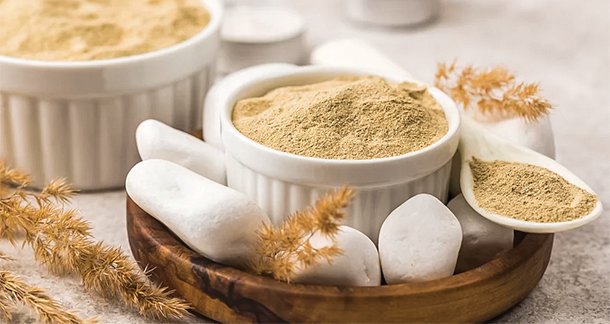
Commercially, hing is available in several varieties based on origin, purity, aroma, and processing techniques. The major categories are Hing Tajaki, Irani, Mazari, Sheer, Shahbandi and Hingra. Hing is lighter in colour, richer in aroma, and water-soluble, while Hingra is darker and oil-soluble. Hing is further classified into Irani Hing and Pathani Hing, sourced from Iran and Afghanistan respectively. Afghan hing is known for its strong aroma and premium quality, whereas Irani hing is appreciated for its balanced flavour profile.
The global hing market has witnessed steady growth due to rising demand from food, pharmaceutical, and Ayurvedic industries. Reports estimate the global asafoetida market to exceed USD 600 million in 2026, with India accounting for nearly 40–80% of total consumption globally. Powdered hing dominates the market because of its convenience and wide usage in spice blends, ready-to-eat foods, pickles, namkeen, papad, and Ayurvedic products.
In Indian households, hing is more than just a spice—it is a tradition. It enhances digestion, improves flavour, and serves as a natural substitute for onion and garlic in Jain and sattvic cooking. Its medicinal benefits have also made it an important component in Ayurveda for centuries.
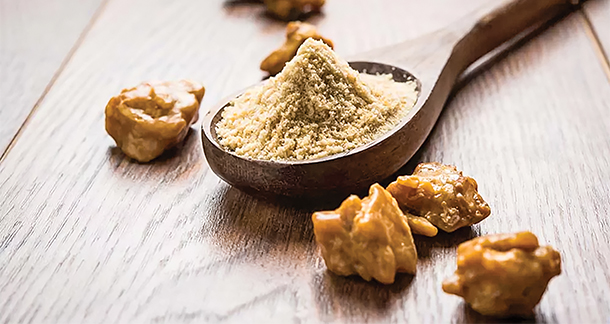
Among the companies contributing to the modernization of the hing industry, Laxmi International Foods has emerged as an innovative name in premium hing manufacturing and spice solutions. The company focuses on authentic sourcing, advanced blending techniques, hygienic manufacturing, and customized formulations for the namkeen, pickle, papad, and seasoning industries. By combining traditional knowledge with modern food technology, the company is working towards delivering high-quality hing products that maintain purity, aroma, and consistency. Its innovations in packaging, quality control, and flavour development are helping elevate Indian hing products to global standards.
From ancient trade routes of Afghanistan to modern Indian spice factories, the journey of hing reflects heritage, science, and entrepreneurship. As domestic cultivation expands and innovative companies continue to invest in quality and research, the future of hing looks stronger than ever in both Indian and international markets.
Author –
Abhishek Tripathi
Co-Founder