
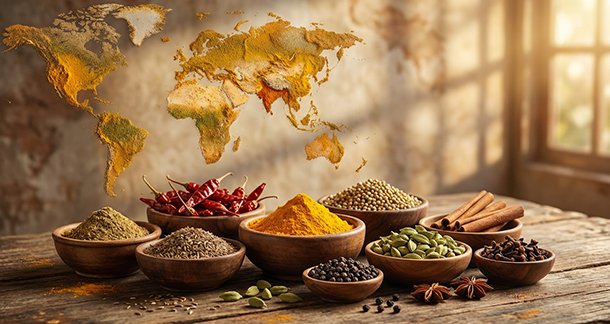
Spices represent a significant share of both the Indian domestic and international markets. Traditional Indian spices and blends are essential to Indian cuisine, and the growing popularity of global cuisines is reshaping the spice market.
The last decade has seen not just a conspicuous rise in spice production in India but also in the exports. India reinforced its position as the world’s largest spice producer, and a growth in packaged and improved product levels especially in terms of quality and origins.
Now, with 2026 fast approaching in a few days, noticeable changes in outlook are evident in terms of spices. These will be game-changers in terms of domestic and international demands and outlook.
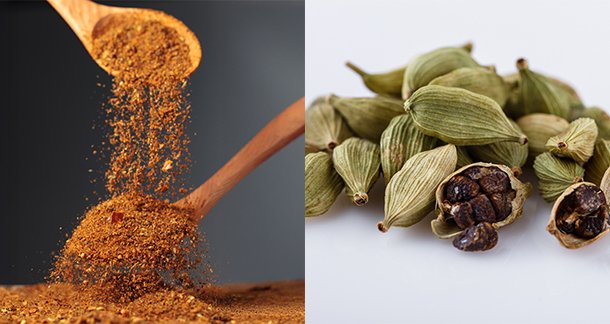
Number Game
In 2025, the Indian spice market is estimated to have reached approximately 9.58 billion US dollars domestically, with exports totalling 4.72 trillion US Dollars. By 2026, India will maintain its position as a leader in global production and export. The projected market growth is at around 26.95 billion US dollars with a growth rate of around 8.1% between 2026 and 2033. The Spice Board has set the target to around 10 billion dollars by 2030. The additional support is from a good supply chain, a promising climate supporting the spice production and manufacturing, and government initiatives pushing the growth.
Insights and Analysis
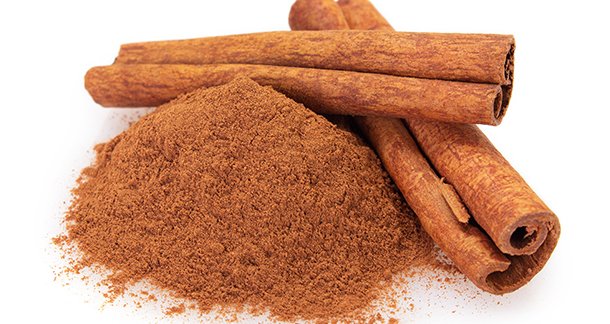
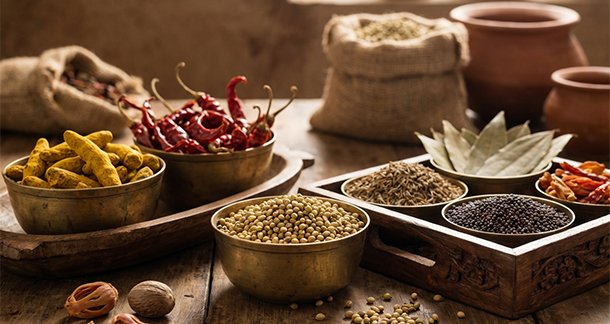
The demand of traditional and authentic whole spices is still high in turmeric, cumin, chilli powder, coriander, black pepper, mustard seeds, cardamon, cinnamon, cloves, bay leaf, tamarind, nutmeg, mace, star anise, and fenugreek.
The same goes for spice blends and seasonings like garam masala, kitchen king, pav bhaji masala, curry powder, non-vegetarian blends, biryani mix, chaat masala, and regional specialities like chole masala, panch phoran and sambar and rasam masala. A growing interest in vegetarianism will see a push for vegetarian-only blends and seasonings.
Customer preferences for organic and healthy spices will continue in 2026. Health-conscious customers want spices with their natural benefits and qualities intact and growth without artificial methods. It will push for better production and spice brands, further investing in quality-control for the same.
The value-added products aspects will also see a prominent growth. More customers are interested in ready-to-make convenience items. It means the year seeing brands heavily investing in these related spice sectors without compromising on quality and the organic angle.
The interest in blends, seasonings, and value-added products is also due to better shelf-life, smaller families, urbanisation, easy and quick preparations, and interest in diverse cuisines.
While India still has a huge domestic consumption, the global demand and interest for the traditional, organic, and healthy spices, blends, and seasonings will continue. It is also true for health-related spices and blends like ginger, tulsi, and ashwagandha.
Challenges ahead
Of course, 2026 will see challenges in spice trade growth within India and exporting. The changing and fluctuating weather, especially with regard to the monsoons, is negatively impacting the cultivation and quality, resulting in an increase in costs, supply chain, profits, and margins.
While India’s global position as a leading supplier of spices, blends, and seasonings is still strong, rising competition from countries like Indonesia and Vietnam, with their investment in high-level production, can be a threat. India is also not huge globally in terms of the global seasoning market.
India in 2026 will still retain its control on spice production, internal usage, and export. The question is if our country will deal with the challenges threatening its position.
By Ms. Akshita Budhiraja, Co-Founder, Orika Spices

