The recently concluded FoodWorld India conference, hosted by FICCI, emerged as a pivotal platform for charting the future trajectory of India’s food processing industry. As a campaign partner, Food Marketing & Technology Magazine was proud to support an event that brought together government bodies, regulatory authorities, industry experts, and corporate leaders to discuss the evolving dynamics of one of India’s most vital sectors.
The conference spotlighted a range of pressing themes, from regulatory frameworks to market expansion opportunities—all centered around enhancing the food processing ecosystem in India. A notable highlight was Deloitte’s release of a white paper titled Unlocking Opportunities in the Food Processing Sector, which laid out critical insights and recommendations to drive sustainable growth and innovation.
A recurring theme throughout the event was the convergence of agriculture and food processing, both intrinsically linked in ensuring food security and economic progress. With India’s population of 1.4 billion projected to drive a $700 billion food economy by 2030, there is a renewed urgency to harness policy-driven enablers and private sector participation.
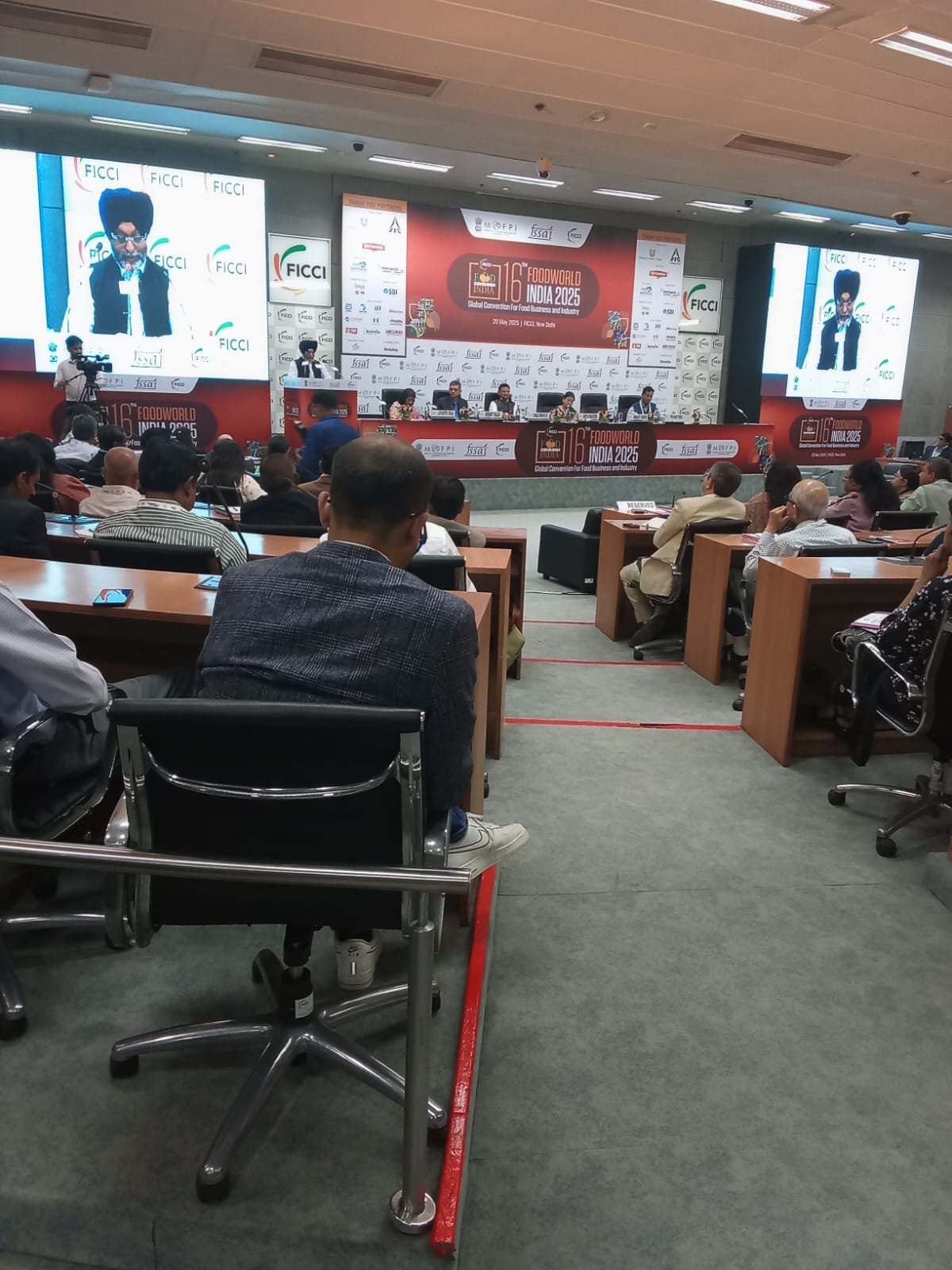
Government interventions such as the Production Linked Incentive (PLI) scheme have already begun yielding positive outcomes, while regulatory simplifications by FSSAI were acknowledged as necessary steps to streamline compliance for businesses. The newly strengthened Warehouse Development and Regulatory Authority (WDRA) framework was also discussed, as the government moves to bring over 1 lakh warehouses under regulated norms. This initiative is expected to reduce risks and inefficiencies in the storage and distribution chain, providing greater security and transparency for producers and processors alike.
Additionally, the Credit Guarantee Scheme for small investors, offering support up to ₹2 crore was discussed as a tool to empower MSMEs and encourage grassroots entrepreneurship in food processing. These financial and infrastructural tools are critical as the industry continues to cater to a dynamic and health-conscious consumer base.
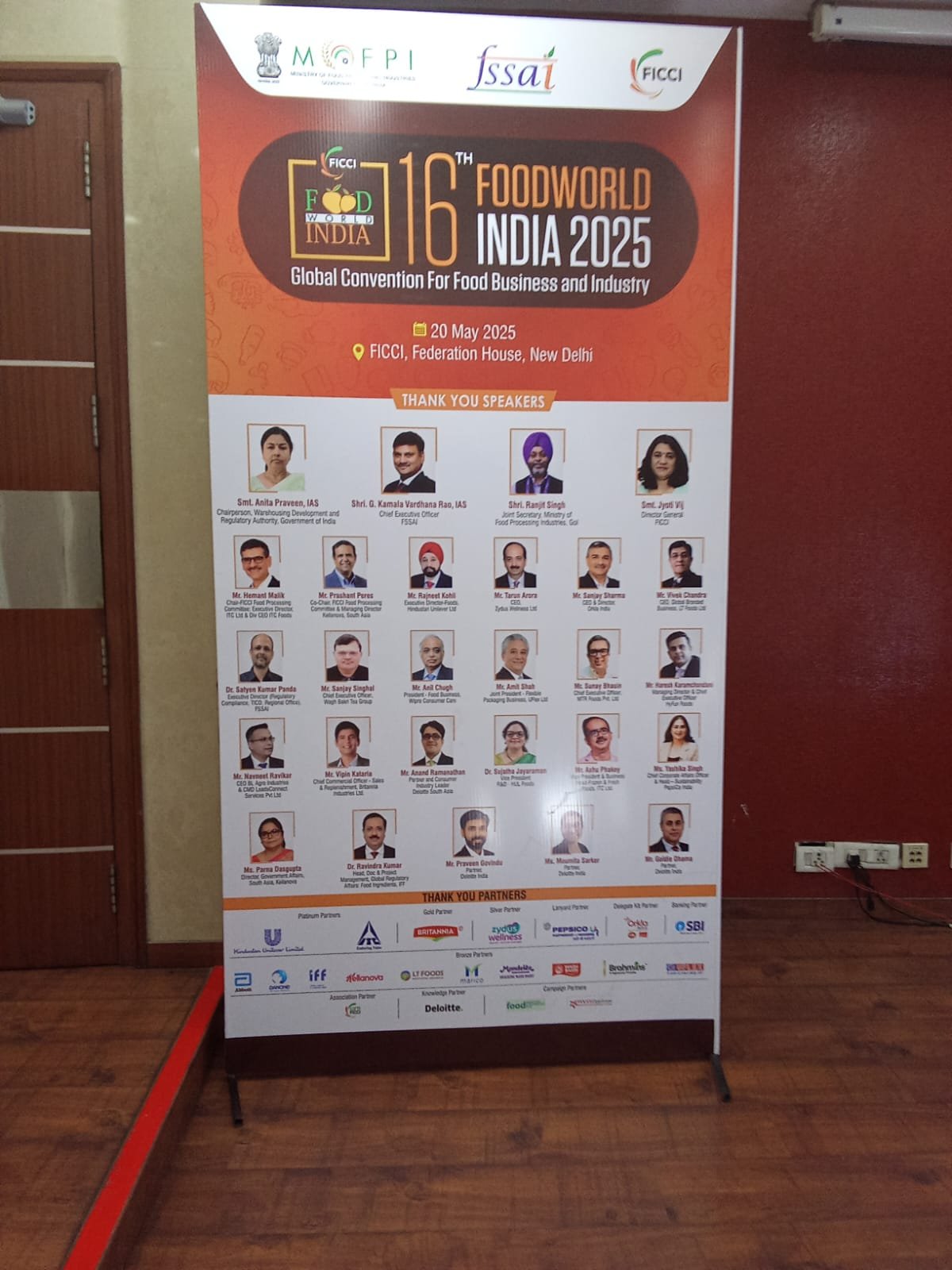
The conference also provided a robust platform for networking and collaboration, with participation from prominent FMCG companies, policy think tanks, food banks, and other social enterprises. Collectively, these stakeholders deliberated on building a resilient and forward-looking food processing industry that aligns with both domestic priorities and global standards.
As the sector gears up for the next phase of growth, FoodWorld India reaffirmed its role as a key thought leadership forum. With strong policy backing, a vibrant consumer market, and collaborative engagement across the value chain, the future of India’s food processing industry looks promising.