Introduction
The meat and poultry industry is one of the largest and most influential sectors in the global food economy. Beyond its role in food supply, the industry contributes significantly to employment, international trade, retail markets, and technological innovation. From poultry farms and livestock production to food processing plants and export businesses, the sector represents a complex network of operations that supports millions of livelihoods worldwide.
In recent years, the meat and poultry business has undergone major transformations due to changing consumer preferences, sustainability concerns, rising production costs, and advancements in food technology. While the industry has traditionally been associated with agriculture and nutrition, it is now equally recognized for its business potential, market competitiveness, and economic impact.
Growth of the Meat and Poultry Market
The global demand for meat and poultry products continues to rise due to population growth, urbanization, and increased disposable income. Poultry, especially chicken, has become one of the most consumed meats because of its affordability, accessibility, and versatility in food preparation. The expansion of quick-service restaurants, processed food chains, and frozen food markets has also accelerated demand.
Developing countries have become key growth markets for poultry businesses because consumers are seeking affordable protein sources. At the same time, developed economies are witnessing growth in premium meat products such as organic chicken, free-range eggs, and antibiotic-free meat. These market segments allow businesses to target health-conscious and environmentally aware consumers while increasing profit margins.
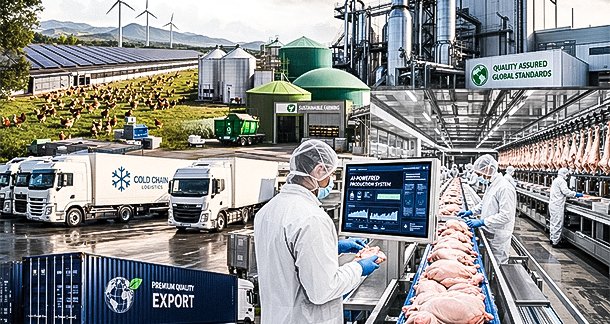
Large companies in the meat and poultry industry are investing heavily in automation, cold chain logistics, and digital supply chain management. These investments improve efficiency, reduce waste, and ensure food safety standards are maintained throughout production and distribution.
Supply Chain and Business Operations
The meat and poultry sector depends on a highly coordinated supply chain. The process begins with livestock farming and feed production, followed by transportation, slaughtering, processing, packaging, storage, and retail distribution. Each stage requires strict quality control and operational management.
One of the biggest challenges for businesses is maintaining consistency in production while controlling operational costs. Feed prices, transportation expenses, and labor costs significantly affect profitability. Disease outbreaks among livestock can also disrupt supply chains and create economic losses for producers and retailers.
Technology has become an important tool in addressing these challenges. Many companies now use automated feeding systems, artificial intelligence for farm monitoring, and data analytics for predicting consumer demand. Advanced refrigeration and packaging methods help extend shelf life and improve product quality, allowing companies to expand into international markets.
Consumer Trends and Market Competition
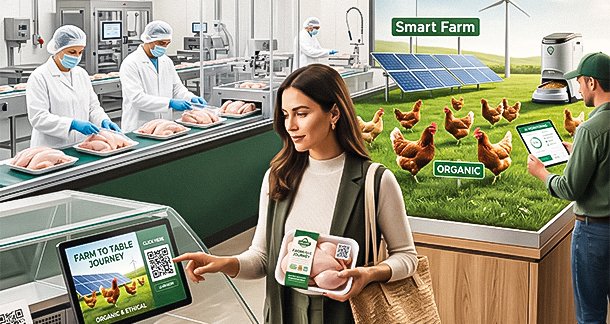
Consumer behavior has a strong influence on the meat and poultry business. Modern consumers are more informed about food quality, hygiene, sourcing, and ethical farming practices. As a result, businesses are under pressure to provide transparency regarding production methods and ingredient quality.
The rise of online food delivery platforms and e-commerce has further transformed the industry. Meat and poultry businesses are increasingly offering direct-to-consumer services through mobile applications and online marketplaces. This digital transformation has enabled small and medium-sized enterprises to compete with larger corporations by reaching broader customer bases.
At the same time, competition from plant-based alternatives and lab-grown meat products is growing. Although traditional meat remains dominant, companies are adapting by diversifying product portfolios and investing in alternative protein research.
Sustainability and Ethical Considerations
Sustainability has become one of the most discussed topics in the meat and poultry industry. Environmental concerns related to water use, greenhouse gas emissions, and waste management have led governments and organizations to introduce stricter regulations.
Businesses are now expected to adopt environmentally responsible practices such as efficient waste disposal systems, renewable energy use, and sustainable feed sourcing. Companies that prioritize sustainability often gain stronger consumer trust and long-term market advantages.
Animal welfare is another major concern. Ethical treatment of animals has become an important factor influencing consumer purchasing decisions. Businesses are increasingly implementing humane farming and processing standards to comply with regulations and maintain brand reputation.
For professionals with backgrounds in health and dietetics, these developments create opportunities to contribute to policy-making, food quality assessment, public awareness campaigns, and corporate wellness initiatives within the industry.
Opportunities and Future Outlook
The future of the meat and poultry industry will likely be shaped by innovation, sustainability, and changing dietary patterns. Businesses that can adapt to market trends and technological advancements will remain competitive in the evolving food sector.
Emerging opportunities include value-added products, export expansion, organic poultry farming, and smart farming technologies. In many regions, governments are also supporting poultry entrepreneurship and food processing industries through subsidies and investment programs.
Moreover, food safety and quality assurance will continue to play a vital role. Professionals with expertise in nutrition, food science, and public health can contribute significantly to maintaining industry standards and improving consumer confidence.
Conclusion
The meat and poultry industry is far more than a food production sector; it is a powerful global business ecosystem that influences trade, employment, technology, and consumer behavior. As market demands evolve, businesses must balance profitability with sustainability, innovation, and ethical responsibility.
With increasing investment in technology and changing consumer expectations, the industry is entering a new era of modernization and competition. For individuals connected to the health and food sectors, including dietitians, understanding the business dynamics of meat and poultry can provide valuable insights into how food systems operate beyond nutrition alone.
By Dt. Muskan Ghai