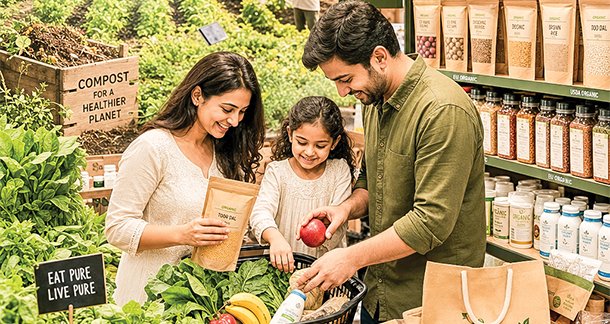
Organic grocery products refer to food and beverage items that are produced, processed, and handled according to certified organic farming standards. These standards prohibit or strictly limit the use of synthetic pesticides, chemical fertilizers, genetically modified organisms (GMOs), artificial preservatives, growth hormones, and routine antibiotics. Instead, organic farming emphasizes natural inputs, crop rotation, composting, biological pest control, and ecological balance. In India, organic products are certified under systems such as the National Programme for Organic Production (NPOP), while globally recognized certifications include USDA Organic in the United States and EU Organic standards in Europe. The core principle behind organic grocery products is sustainability—ensuring that food production protects soil health, biodiversity, animal welfare, and human health.
Organic grocery products cover a wide range of categories available in modern retail stores, specialty outlets, farmers’ markets, and online platforms. The most common category is fresh organic produce, including fruits and vegetables such as tomatoes, spinach, apples, bananas, and carrots grown without synthetic agrochemicals. Another major category consists of organic grains and staples, including rice, wheat, millets, pulses, lentils, and flour, which are especially important in countries like India where cereals form the dietary foundation. Organic dairy products such as milk, yogurt, butter, and cheese come from animals fed organic feed and raised without artificial growth hormones or routine antibiotics. Organic eggs and poultry also fall into this category. In addition, there is a rapidly expanding segment of organic packaged and processed foods, including breakfast cereals, edible oils, spices, snacks, ready-to-eat meals, baby foods, and beverages such as organic tea, coffee, and fruit juices. Specialty organic products, such as gluten-free organic foods and functional health products, are also gaining popularity among health-conscious consumers.
One of the primary benefits of organic grocery products is reduced exposure to synthetic chemicals. Conventional farming often relies on pesticides and herbicides that may leave residues on food. Organic farming avoids these inputs, which appeals to consumers concerned about long-term health effects. While regulatory bodies maintain that conventional foods are generally safe within prescribed limits, many consumers prefer organic alternatives as a precautionary measure. Another benefit is environmental sustainability. Organic farming improves soil fertility through composting and natural nutrient cycles, enhances biodiversity by avoiding harmful chemicals, and reduces water contamination. By promoting ecological balance, organic agriculture contributes to long-term environmental health.
Animal welfare is another advantage associated with organic grocery products. Organic livestock production requires animals to have access to outdoor spaces, organic feed, and living conditions that support natural behavior. The avoidance of routine antibiotics also addresses growing concerns about antibiotic resistance. Additionally, some research suggests that organic foods may contain higher levels of certain nutrients, such as antioxidants in fruits and vegetables and omega-3 fatty acids in organic dairy products, although the differences are not always substantial. Many consumers also perceive organic foods to have better taste and freshness, particularly when sourced locally through farmers’ markets or direct farm-to-consumer models.
The Indian market for organic grocery products has witnessed significant growth over the past decade. According to the report by Market Research Future titled “India Organic Food Market,” the market was valued at approximately USD 17.74 billion in 2024 and is projected to reach around USD 20.02 billion in 2025. Over the long term, it is expected to grow to nearly USD 59.68 billion by 2035, registering a compound annual growth rate (CAGR) of about 11.66 percent between 2025 and 2035. This robust growth reflects rising consumer awareness, improved distribution networks, and expanding product availability across categories such as fruits, vegetables, cereals, dairy products, beverages, and processed foods.
The expansion of modern retail formats and e-commerce platforms has further strengthened the organic grocery market in India. Online grocery apps and digital marketplaces have made organic products accessible beyond metropolitan cities, reaching consumers in tier-2 and tier-3 towns. Supermarkets and specialty organic stores are also dedicating more shelf space to certified organic brands. In addition, India’s strong agricultural base and increasing number of certified organic farms support domestic supply and export potential, particularly in products like organic spices, basmati rice, and pulses.
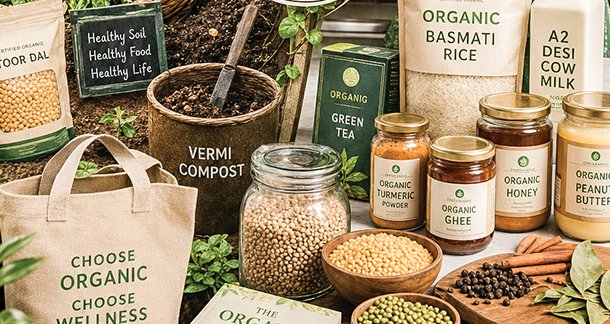
Several key drivers are fueling the growth of organic grocery consumption both in India and globally. Foremost among them is rising health consciousness. Consumers are increasingly aware of the link between diet and lifestyle diseases such as obesity, diabetes, and cardiovascular conditions. This awareness encourages a shift toward perceived “cleaner” and safer food options. Increasing disposable income, especially among urban middle-class populations, has also played a crucial role. As purchasing power rises, consumers are more willing to pay a premium for quality and health-focused products.
Environmental awareness is another significant driver. Climate change, soil degradation, and water pollution have prompted consumers to rethink the environmental footprint of their food choices. Organic agriculture, with its emphasis on sustainability and reduced chemical usage, aligns well with these concerns. Globally, younger generations in particular prioritize sustainability and ethical consumption, which benefits the organic grocery segment. Trust in certification labels also drives demand. Clear labeling and regulatory oversight reassure consumers that products meet established organic standards, reducing skepticism and building brand loyalty.
Government support further contributes to market expansion. In India, initiatives promoting organic farming, training programs for farmers, and certification support schemes have encouraged the adoption of organic agricultural practices. Globally, various governments offer subsidies and incentives to promote sustainable farming. The rise of social media and digital information platforms has also increased awareness about food sourcing, ingredient transparency, and farming practices, accelerating consumer interest in organic groceries.
Looking ahead, the future of organic grocery products appears promising. The segment is gradually transitioning from a niche category catering to a limited, affluent consumer base to a more mainstream option available across income groups. As supply chains become more efficient and economies of scale improve, prices may become more competitive with conventional products. Technological advancements, such as improved traceability systems and blockchain-based supply chain transparency, could further strengthen consumer trust in organic labels.
Product innovation will likely shape the next phase of growth. The development of organic ready-to-cook and ready-to-eat meals, fortified organic beverages, plant-based organic alternatives, and convenient snack options will attract busy urban consumers. Integration with broader sustainability movements, such as regenerative agriculture and low-carbon food systems, may also redefine the organic sector’s role in combating climate change. In India, growing export demand for certified organic produce provides additional opportunities for farmers and agribusinesses.
In conclusion, organic grocery products represent more than just a food category; they symbolize a shift toward sustainable consumption and responsible agriculture. By avoiding synthetic chemicals and emphasizing ecological balance, these products address growing concerns about health, environment, and ethical production. The Indian market, supported by rising awareness and favorable growth projections, is poised for substantial expansion in the coming decade. Globally, organic groceries are expected to gain further traction as consumers prioritize transparency, sustainability, and wellness. The future of organic grocery products therefore appears both dynamic and transformative, shaping the way societies think about food and its impact on people and the planet.
By Venkatesh Ganapathy